

Nobody thinks about medical supplies until they actually need them. Then suddenly you’re scrambling at a pharmacy trying to remember if you need elastic bandages or gauze pads while dealing with pain or recovery.
Setting up your home doesn’t mean turning it into a medical clinic. It means having the right basics on hand so that minor injuries, chronic conditions, and general health needs don’t catch you off guard. The good news is that building a solid supply takes less time and money than most people think, and it’s something you can do gradually without stress.
Starting With the Basics
Every home needs some foundational medical supplies that cover common situations. Bandages, gauze, and tape handle cuts and scrapes that happen in everyday life. Pain relievers like ibuprofen and acetaminophen address headaches, fevers, and general aches that come up regularly. Antibiotic ointment, rubbing alcohol, and hydrogen peroxide are useful for cleaning wounds before bandaging them.
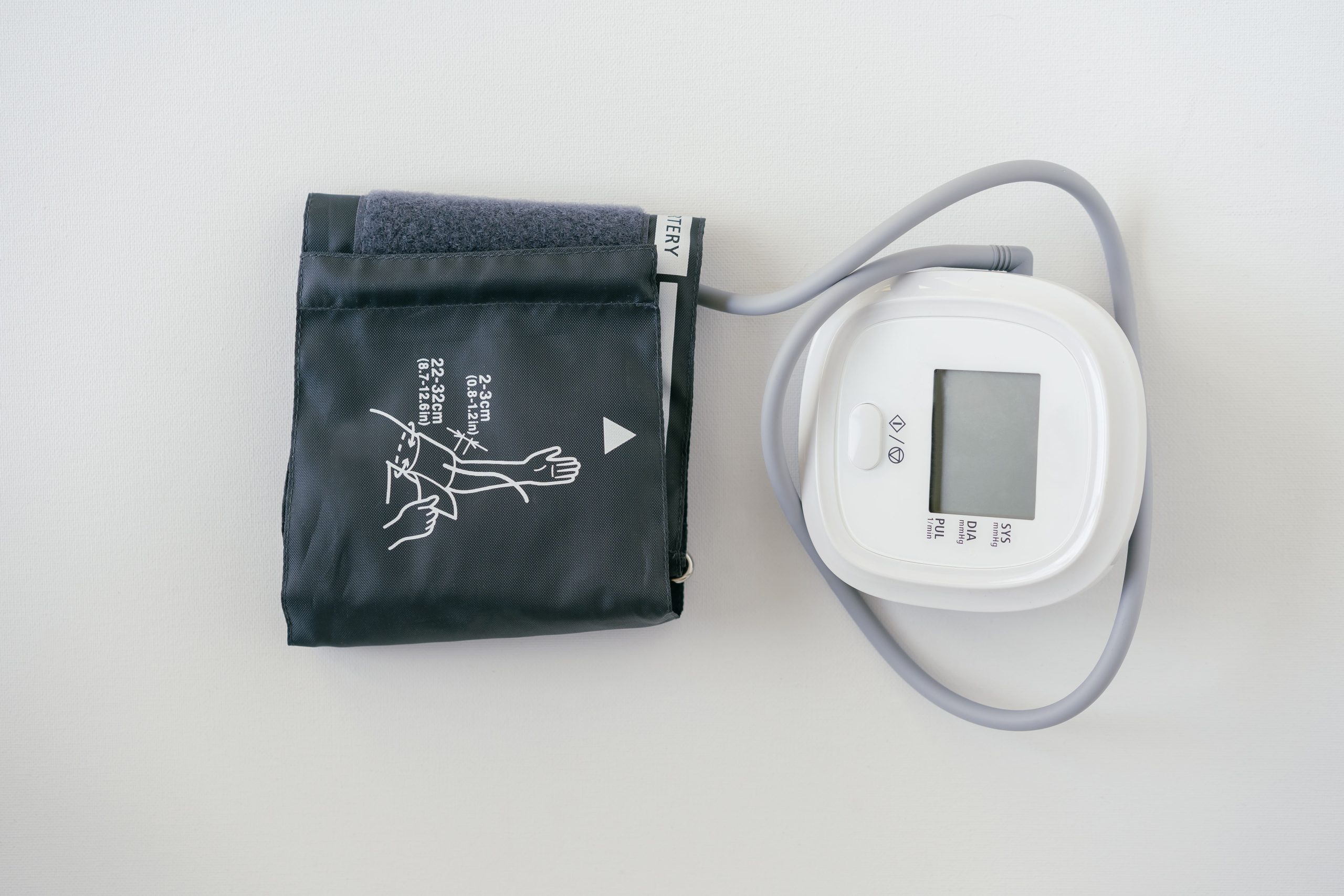
A thermometer helps you figure out if a fever is actually concerning. A blood pressure cuff gives you peace of mind if you’re managing high blood pressure at home. These items are inexpensive and useful for pretty much everyone.
Thinking About Your Specific Needs
Your medical supply setup should match your actual life, not someone else’s. If you have chronic pain or manage a condition like diabetes, you’ll need supplies specific to that. Someone recovering from surgery will need different things than someone who’s just generally keeping a first aid setup at home.
Families with kids benefit from having extra bandages, pain relievers in kid-friendly doses, and supplies for treating common childhood bumps and bruises. Older adults might need compression socks, heating pads, or items that make managing mobility easier. The key is being honest about what you actually use so you don’t end up with supplies that just sit in a cabinet.
Organizing Your Medical Supplies
Where you keep your supplies matters almost as much as what you have. A messy junk drawer is frustrating when you’re trying to find a bandage quickly and in pain. Most people do well with a clear plastic container or a shelf in their bathroom where supplies are easy to see and grab.
Label sections or use smaller containers within your main storage so everything has a home. Keep items that you use most often at eye level and easy to reach. When you know exactly where the bandages are and can grab them in seconds, you’re more likely to handle minor issues at home.
Keeping Everything Fresh and Ready
Medical supplies do eventually expire or stop working well, so it’s worth doing a quick check every few months. Bandages can lose their stickiness, ointments can dry out, and medications absolutely have expiration dates that matter. You don’t need to replace everything constantly, just pay attention to what’s actually still usable. Some people like to check their supplies when seasons change or when they get a new year calendar.
Keeping track of what you’re using is a good way to know when to restock. If you notice you’ve gone through your pain relievers quickly, buy more before you run out. That little bit of maintenance means you’re always ready.
Building Your Supply Budget
Stocking up doesn’t require a huge investment if you do it gradually. Buying one or two items each time you’re at the pharmacy or grocery store adds up to a solid collection without shocking your budget.
Generic versions of pain relievers and other basic items cost way less than brand names and work just as well. When you’re researching what to get, you’ll find plenty of options online and in stores. Browsing something like medical supplies gives you an idea of what’s available and what different products cost. You don’t have to buy everything at once, and you definitely don’t have to get fancy versions of basic items. Building your home supply gradually means you spread the cost out over time while slowly getting more prepared.
Conclusion
Setting up your home with essential medical supplies is really about being practical and prepared without overthinking it. Start with the basics that apply to everyone, then add items that match your specific situation and health needs. Keep everything organized in a place you can actually access, check on things occasionally to make sure they’re still usable, and build your collection gradually so the cost doesn’t feel overwhelming.
A well-stocked home means you can handle minor health situations without stress and you’re not scrambling at midnight trying to find something you need. The time you spend setting this up now pays off every single time someone in your household needs something and you actually have it on hand.
