

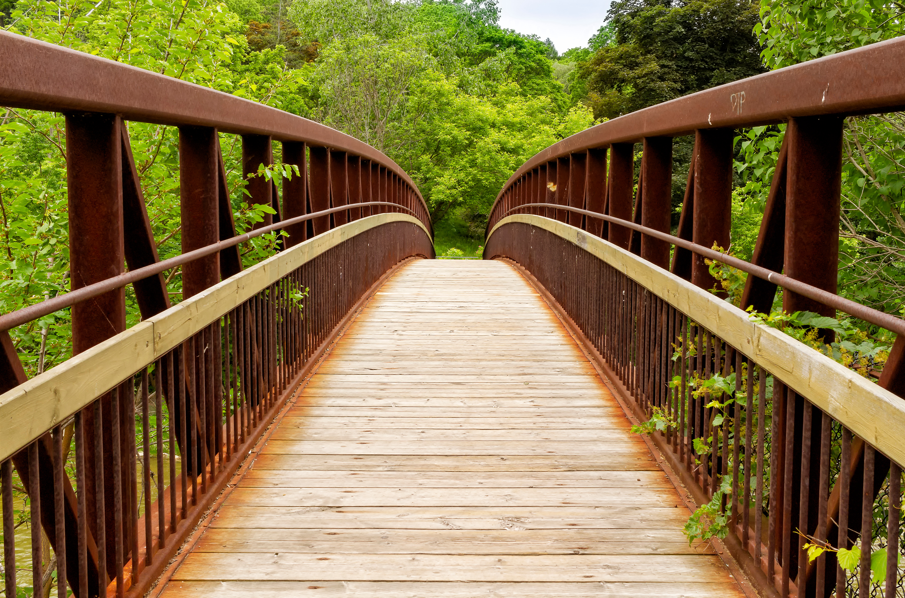
When communities debate how to replace aging bridges or build new crossings, the conversation often defaults to concrete and steel. These materials have dominated infrastructure for generations, and their familiarity makes them feel like the only responsible choice. But timber is quietly making a strong case for itself, and the argument deserves serious attention.
A Material With Deep Roots and a Modern Edge
Timber has been used in bridge construction for centuries. What has changed is how it is engineered. Modern structural timber products bear little resemblance to raw logs strapped across a creek. Today’s glued laminated timber and cross-laminated timber panels are precision-manufactured, dimensionally stable, and engineered to perform under heavy loads and variable weather conditions.
This evolution means timber bridges are no longer limited to low-traffic rural crossings. They are being designed and built for roads, trails, rail corridors, and pedestrian paths in climates ranging from the dry Southwest to the wet Pacific Northwest. Technology has caught up with ambition.
The Environmental Math Works Out
Few construction materials can match the environmental profile of responsibly sourced wood. Timber is the only major structural material that grows back. When forests are managed well, harvesting timber for construction is part of a cycle that supports healthy ecosystems rather than degrading them.
Beyond renewability, wood stores carbon rather than releasing it. Concrete and steel production are both energy-intensive processes that generate significant greenhouse gas emissions. A timber bridge, by contrast, locks carbon into the structure for the life of the project. When lifecycle carbon accounting is applied honestly, timber often comes out ahead by a wide margin.
For municipalities and transportation agencies working toward sustainability targets, this distinction is more than symbolic. It translates directly into measurable reductions in embodied carbon, a metric that regulators and communities are increasingly paying attention to.
Construction That Moves at a Different Pace
Speed matters in infrastructure. Road closures create economic disruption, frustrate residents, and strain emergency access. Timber bridges tend to go up faster than their concrete counterparts for a straightforward reason: the components are lighter, easier to transport, and arrive ready to assemble.
In remote or ecologically sensitive areas, this becomes especially important. Heavy cranes and large equipment fleets leave a significant footprint on the surrounding landscape. Timber components can often be moved with smaller machinery, reducing both site disturbance and project cost. For bridge replacements on forest roads or parks infrastructure, this is often the deciding factor.
Long-Term Performance Is the Real Conversation
The most common skepticism about timber bridges centers on durability. Opponents picture rot, insect damage, and the inevitable weathering that comes with organic material exposed to the elements. This concern is understandable but increasingly outdated.
Modern timber bridge systems use pressure-treated or naturally durable species paired with drainage details and protective coatings that dramatically extend service life. Properly designed and maintained timber bridges routinely perform well over long project horizons. Inspection is straightforward, and individual components that do show wear can often be replaced without taking the entire structure out of service, a significant advantage over bridges that require full deck replacement or major structural repairs.
Companies like All Timber Structures, Inc. (ATS) have built a track record of delivering engineered timber bridges across a range of project types, which reflects growing confidence from the engineering and transportation communities in what this material can do.
Economics Beyond the Bid Price
Cost comparisons between bridge materials are easy to oversimplify. A timber bridge may have a competitive initial bid price, but the fuller economic picture includes maintenance costs, construction timeline, disruption to surrounding areas, and end-of-life considerations. When those factors are included, timber often performs well against alternatives.
There is also a regional economic dimension worth noting. Timber bridge projects draw on domestic wood products and regional fabricators. In many parts of the country, this creates direct economic benefit for rural timber-producing communities that have faced economic headwinds as resource-based industries have contracted.
Looking at the Bigger Picture
Infrastructure decisions carry long time horizons. A bridge built today will likely serve communities for several decades. Making material choices that align with long-term sustainability goals like lower carbon, renewable sourcing, adaptable maintenance, reflects a kind of stewardship that goes beyond the immediate project.
Timber bridges are not the right answer for every crossing. Load requirements, site conditions, and budget realities shape every project differently. But the default assumption that timber is somehow a lesser or riskier choice belongs to a previous era. The evidence from engineering practice, environmental science, and construction experience points in a different direction.
It is worth asking the question with fresh eyes, and timber bridges are ready to make their case.
